

How to Prepare Your PVC and ALU Systems for Autumn and Winter?
29. 9. 2026.
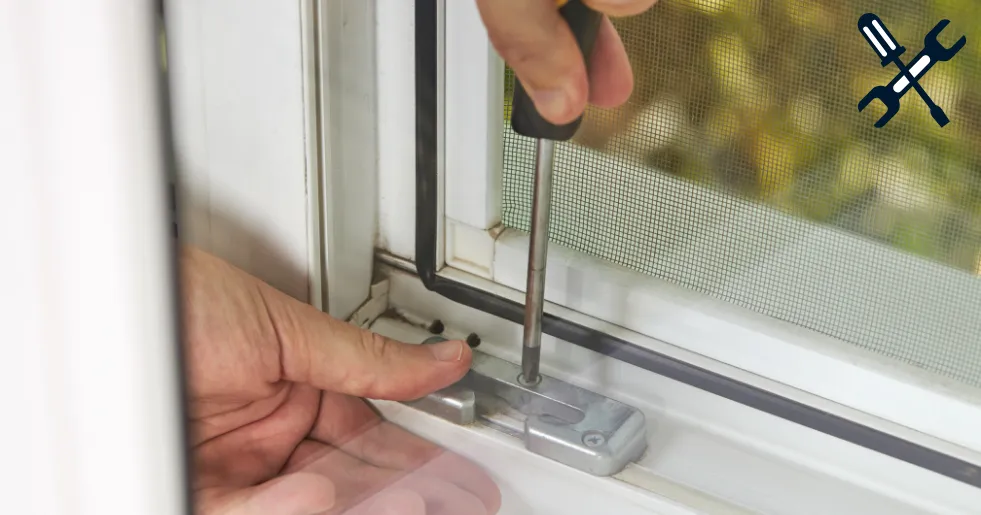
With the arrival of autumn, habits at home change. Days are shorter, temperatures drop, and heating becomes part of everyday life again. During this period, we often check radiators, the boiler or the chimney, but it is just as important to pay attention to windows and doors.
Quality, properly maintained PVC or ALU systems can contribute significantly to a home's thermal insulation, while worn seals, incorrectly adjusted hardware, damage or aged systems can cause draughts and unnecessary heat loss.
The good news is that preparing your systems for the colder period doesn't have to be complicated. A few simple checks before the start of the heating season can help your windows and doors work properly throughout autumn and winter.
1. Check the seals on your windows and doors
Seals play an important role in protecting your home from cold air, wind and moisture. Over time they can lose elasticity, become deformed, crack or simply wear out.
Inspect the seals on all windows and doors. Pay particular attention to places where you notice a draught or noticeably colder air.
If the seals are dirty, clean them with a mild cleaning agent and a soft cloth. If they are damaged or no longer fit properly, they need to be replaced.
It is important to distinguish between a worn seal and a problem with the entire window. Replacing the seal can solve the problem if it is the cause of poor sealing, but with older, worn-out systems the cause can be broader.
2. Check that windows and doors close properly
Before winter, it is worth checking every window and door in your home. The sash should close evenly and without catching, and the handle should operate normally.
If a window is hard to close, you have to press the handle harder, or you notice that the sash doesn't "grip" evenly around its entire perimeter, the hardware may need adjusting.
It is best not to ignore such problems. An incorrect sash position can affect sealing and, in the long run, put additional strain on the hardware.
With PVC and ALU systems, adjusting the hardware is part of regular maintenance, and it is often enough to bring the window back to good working order.
3. Clean and lubricate the hardware
Hardware consists of the mechanisms that allow windows and doors to open, close and lock. Most people only notice them when they start causing problems, but occasional maintenance can help them work properly for longer.
Before winter, clean the accessible parts of the hardware and remove dust and dirt. Moving parts should be lubricated with a suitable lubricant, as recommended by the manufacturer.
Do not use just any oil or aggressive cleaning agents. When it comes to maintenance, it is best to follow the recommendations of the manufacturer of your specific system and hardware.
4. Pay attention to condensation
Condensation on the inside of the glass is one of the problems most commonly noticed during the colder months. It occurs when warm, humid air from the room comes into contact with a cold surface.
Occasional condensation does not necessarily mean the window is faulty. The amount of condensation depends on the temperature of the glass surface, relative humidity, ventilation and room temperature.
That is why it is important to ventilate rooms regularly and maintain an appropriate level of humidity.
If, however, condensation is pronounced or frequent, especially if it is accompanied by moisture around the window or mould, the problem is worth investigating further.
5. Check the glass and its thermal insulation
The glazed area takes up a large part of a window and therefore has a significant effect on its thermal insulation properties.
Older systems often have glass that, by today's standards, provides weaker thermal insulation. Modern PVC and ALU systems can be fitted with more energy-efficient double or triple insulating glass, including Low-E glass, which reduces heat loss to the outside. Our team has been installing it in our systems regularly for many years.
If your systems are older and, in addition to weaker thermal insulation, there are also problems with the seals, hardware, profiles or the installation itself, it is worth considering the overall condition of your systems.
6. Don't forget the joint between the window and the wall
When you feel cold air around a window, the cause is not always the window itself.
The way the systems were installed, and how the joint between the window frame and the wall was done, is also important. If that joint is damaged or poorly executed, draughts, moisture and increased heat loss can occur.
That is why, when replacing windows and doors, it is not enough to look only at the profile and the glass. Quality installation is just as important for the final performance of the window or door.
7. When can servicing help, and when is it time for new systems?
Maintenance and servicing can significantly extend the functional life of PVC and ALU systems. Replacing seals, adjusting or replacing hardware, and certain repairs are often entirely sufficient when the problem is localised.
But maintenance has its limits.
If the systems are extremely old and worn out, if the profiles are deformed or damaged, if the glass no longer provides adequate insulation, if the hardware is worn, and if sealing problems and draughts keep returning, individual repairs won't turn old systems into new ones.
In such a situation, replacing the systems can bring more than just solving the current problem. New windows and doors can offer better thermal and acoustic performance, more modern hardware, better sealing and the possibility of more energy-efficient installation.
In other words, servicing is excellent when a specific problem needs fixing. When the systems as a whole have worn out, replacement is the more complete long-term solution.
8. Why is autumn a good time to check your systems?
Problems with your systems are easiest to notice just as temperatures begin to fall. That is when draughts, cold surfaces, weaker sealing and closing problems become visible.
That is why it is not a good idea to wait for the coldest part of winter to discover that a window no longer seals properly.
If you notice a problem, an inspection and service before the start of a harsher winter can be a simple way to be ready for the colder months. If your systems are already worn out and you are thinking about replacing them, planning early allows enough time for choosing a system, measuring, production and quality installation. If you are not sure what to do, get in touch with our team, who will advise you and guide you through the entire process.
Preparing your systems for winter begins before it gets cold
PVC and ALU systems don't require complicated seasonal maintenance, but a few simple checks can make a difference. Check the seals, how the windows close, the condition of the hardware, the occurrence of condensation and the condition of the joints around the windows.
If the problem is minor, timely servicing is often enough. If your systems are near the end of their service life, no amount of maintenance can fully make up for the advantages of a modern window and quality installation.
Preparing your home for winter therefore doesn't begin only when we switch on the heating. It begins with checking everything that should help keep the warmth we generate inside the home. If, after all the checks and servicing, the difference is still not noticeable, it is worth considering an investment in new systems. If you have already reached that point, our PVC and ALU systems are at your disposal, as is our team, ready to answer all your questions.

